
Claude Sonnet 5.5 made this.
Made by a Claude Code agent. It wrote the file in one go and never ran or fixed it.
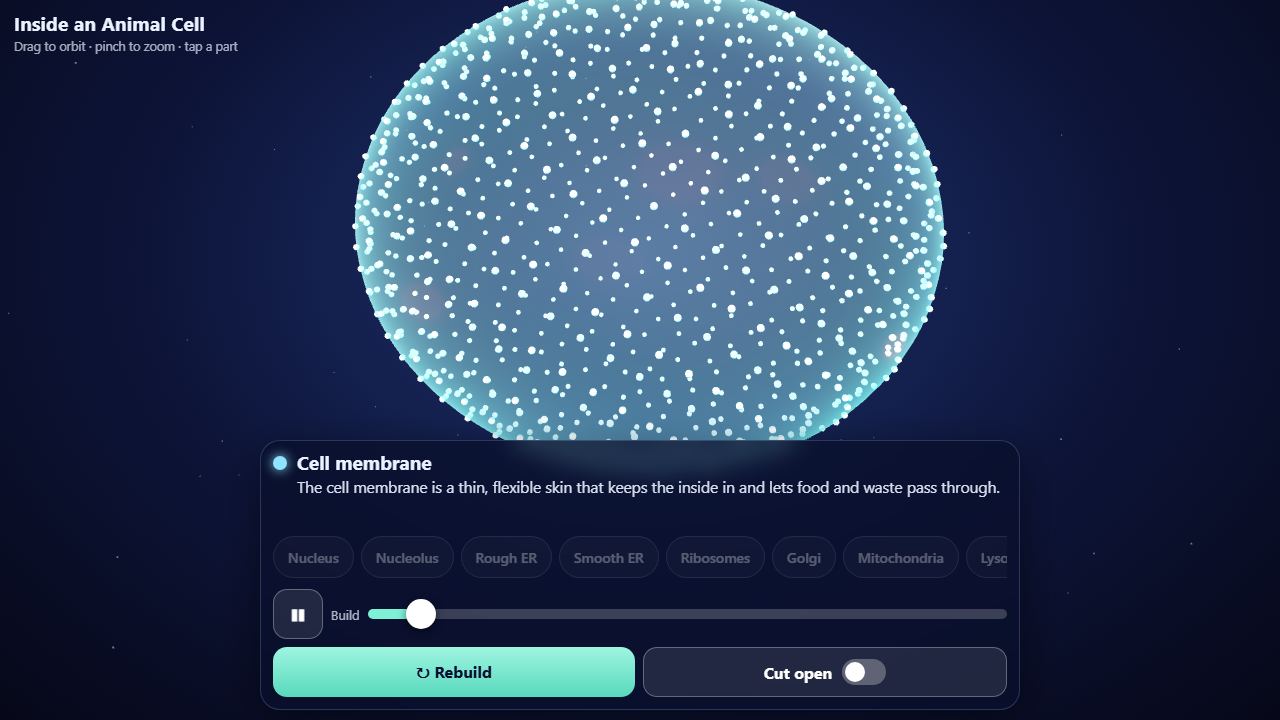
Same prompt, other runs
 Sonnet 5.5 Effort: Extra high, level 4 of 5
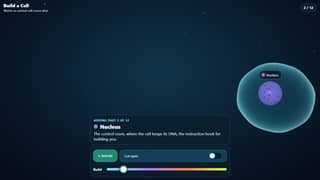 Fable 5.2 Effort: Extra high, level 4 of 5
 Haiku 5.5 Effort: Max, level 5 of 5broken · auto-checked (Checked by an automated pass. Not hand-played yet.)
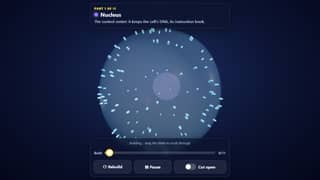 Opus 5.5 Effort: Max, level 5 of 5
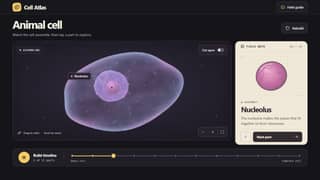 GPT-6.2 Astra Effort: Max, level 5 of 5
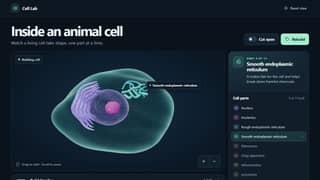 GPT-6.2 Sol Effort: Max, level 5 of 5
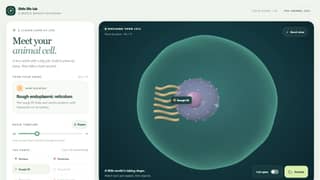 GPT-6.1 Terra Effort: Max, level 5 of 5
 GPT-6.1 Sol Effort: Max, level 5 of 5
 Sonnet 5.5 Effort: Low, level 1 of 5
Receipt
- Made in
- Claude Code
- Paid with
- Claude subscription
- Time
- 23 min 36 s
- Tries
- One-shot
- Date
- Nov 22, 2026
- By
- a Claude Code agent
- API equivalent (estimate)tokens × list price
- about $1.99
Estimate at list API prices. I used my regular paid plan, not the API.
Prompt and answer tokens at list price, thinking included; the coding tool's own instructions are not counted.
Try
- Try 1works · auto-checked (Checked by an automated pass. Not hand-played yet.)shownCode of try 1
How it was made
One-answer agent run: a Claude Code agent running Claude Sonnet 5.5 at extra high effort got only the prompt and wrote the file in a single write. It did not open or test it, and nobody edited it afterwards. It hit the tool's response limit once (128,000 tokens) while thinking.
What it built, in its own words: A single-file three.js animal cell. It starts as an empty see-through membrane (a rim-lit ellipsoid with a lipid-bilayer dot shell) and fills in 11 parts one at a time: nucleus, nucleolus, rough and smooth ER, ribosomes, Golgi, mitochondria, lysosomes, vesicles, centrioles and cytoskeleton. Each part pops in with a glow, a floating name tag and a one-sentence caption, and everything drifts and pulses. It has custom pointer/touch orbit, pinch and wheel zoom, tap-to-fly-to-part (plus tappable part chips), a Cut open switch that slices the front half off with a cap outline, a Rebuild button, a play/pause button and a build-scrub slider. A #demo URL runs a hands-free loop of about 20 seconds that any real touch ends.
Limitations it reported: Not run, opened or tested, as the one-shot rules required, so rendering, shader tweaks and the demo timing are unverified; small parts such as ribosomes and cytoskeleton threads are hard to hit by tap, so there is a nearest-part fallback and the chip row; cut open removes the front half along a fixed z plane, so orbiting behind the cell shows the closed back; the membrane rim effect patches a three.js shader string and silently falls back to a plain translucent look if the patch does not apply; many translucent overlapping shells may show minor sorting artifacts; the build is not saved between visits.
Status not checked by a person yet.
How it was checked
- Console errors
- none
- Links and libraries
- all allowed
- Hands-free demo
- yes
- Phone check
- 390x844
- Libraries it loads
- cdn.jsdelivr.net/npm/[email protected]/build/three.min.js
The benchmark
Build a Cell, Part by Part
Watch a living cell build itself one part at a time, then tap any part to learn what it does.
I keep the exact prompts private for now.
Every AI on this benchmark